
Table of Contents
Introduction:
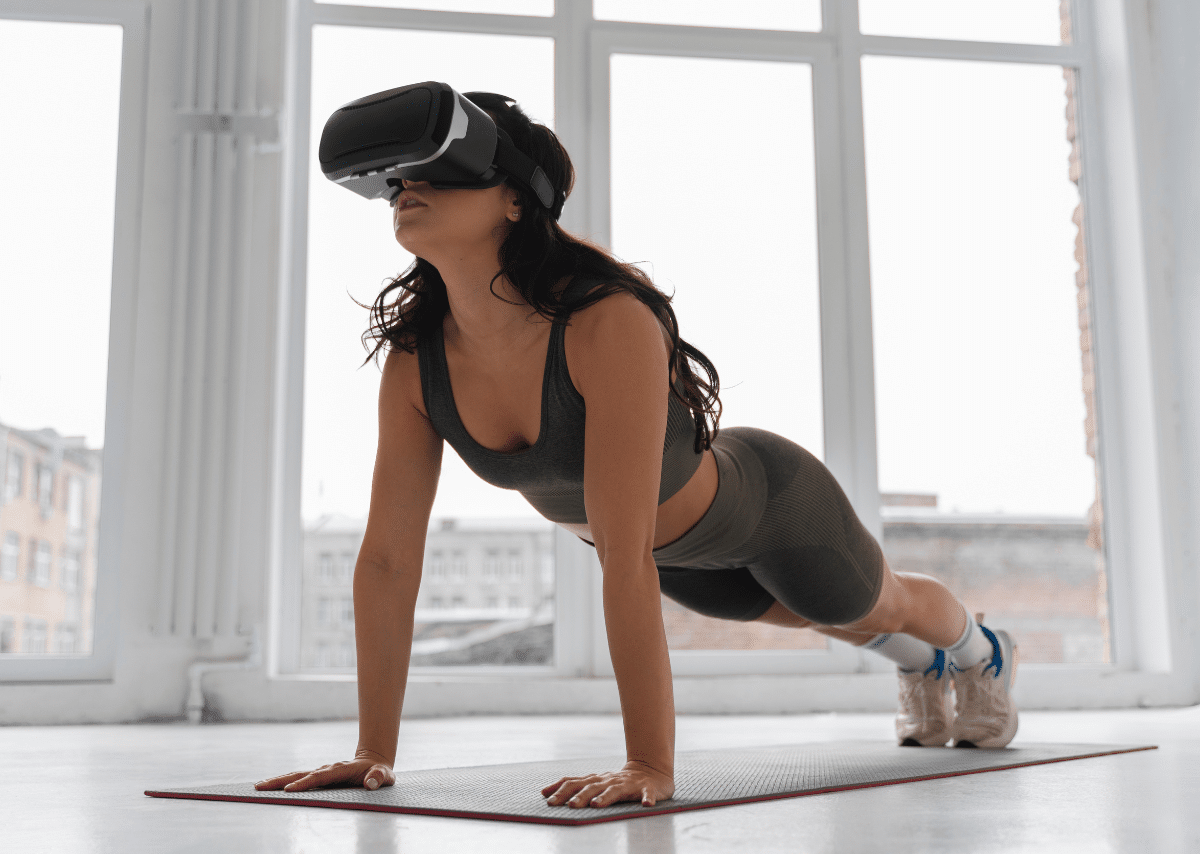
The Future Fitness Trends is changing rapidly, and 2026 is bringing new opportunities to improve how we exercise, recover, and maintain our health. From artificial intelligence (AI) workout coaches to wearable fitness technology, modern solutions are making exercise more personalized, accessible, and effective. The future fitness trends 2026 are not just about building muscle or losing weight. They focus on sustainable habits, better recovery, mental wellness, and long-term physical performance. Whether you exercise at home, visit a gym, or train professionally, understanding these developments can help you make smarter fitness decisions. Imagine following a workout plan that adapts to your progress, monitoring your recovery before your next session, and combining strength training with stress management.
1. Artificial Intelligence and Personalized Fitness Training
Future Fitness Trends Artificial intelligence is becoming an important part of modern fitness. AI-powered applications can analyze workout history, training preferences, and performance data to recommend personalized exercise routines. Instead of following the same program every week, users can adjust their workouts according to their goals and abilities.
How AI Is Changing Workouts
Future Fitness Trends platforms can help you track repetitions, estimate workout intensity, and monitor improvements over time. Some applications use smartphone cameras or connected devices to provide feedback on exercise technique.These tools can be particularly useful for beginners who need guidance when learning new movements. However, AI recommendations are not always accurate, and they cannot completely replace a qualified fitness professional.
Benefits of AI Fitness Coaching
- Personalized workout recommendations.
- Progress tracking and performance analysis.
- Flexible exercise plans for different fitness levels.
- Reminders that encourage consistent training.
For the best results, combine digital coaching with proper exercise technique and professional guidance when needed.


2. Wearable Technology and Smart Fitness Tracking
Future Fitness Trends Wearable technology remains a significant development in the fitness industry. Smartwatches, fitness bands, and heart-rate monitors allow users to collect information about daily activity, exercise intensity, sleep, and recovery.In 2026, fitness enthusiasts are increasingly interested in understanding their overall health rather than counting steps alone. Wearables can help users recognize activity patterns and identify opportunities to improve their routines.
What Can Fitness Wearables Measure?
Depending on the device, wearable technology may track:
- Heart rate during exercise and rest.
- Daily steps and estimated energy expenditure.
- Sleep duration and sleep patterns.
- Workout duration and training intensity.
- Estimated recovery and fitness performance.
These measurements can help you make informed decisions about exercise. However, consumer wearables do not provide perfectly accurate measurements, and their health estimates should not replace medical assessments.
How to Use Wearables Effectively
Future Fitness Trends Focus on long-term patterns instead of reacting to every daily fluctuation. For example, you can use activity records to establish realistic movement goals and review your training consistency each week.Choose a device that matches your needs and budget. You do not need an expensive smartwatch to build a successful fitness routine.
3. Strength Training for Long-Term Health
Future Fitness Trends Strength training continues to be a central fitness priority because it supports muscle development, physical function, and healthy aging. More people are recognizing that resistance exercise benefits beginners, experienced athletes, and older adults alike.Unlike routines focused exclusively on appearance, modern strength programs often emphasize functional ability, joint stability, and maintaining independence throughout life.
Why Strength Training Matters
Future Fitness Trends Resistance training helps develop muscular strength and can support bone health. It also improves the ability to perform everyday activities, including climbing stairs, carrying groceries, and lifting objects safely.You can build a strength routine using free weights, resistance bands, weight machines, or bodyweight exercises.
How to Start a Sustainable Routine
Future Fitness Trends Beginners should start with manageable resistance and learn proper movement patterns before increasing intensity. Train all major muscle groups and allow sufficient recovery between challenging sessions.For general health, adults can work toward muscle-strengthening activities at least two days per week, alongside regular aerobic activity. Adjust your plan according to your fitness level, medical needs, and recovery.
4. Hybrid Fitness: Combining Home Workouts and Gyms
Future Fitness Trends Hybrid fitness combines traditional gym sessions with home workouts and digital exercise classes. This flexible approach allows people to maintain consistent training despite busy schedules, travel, or limited access to fitness facilities.Online platforms offer guided strength sessions, yoga classes, mobility routines, and live group workouts. Meanwhile, gyms continue to provide equipment, coaching, and an environment that encourages focused training.
Why Hybrid Fitness Is Growing
Future Fitness Trends Convenience is one of the biggest advantages of hybrid training. You can complete a short home workout on a busy day and attend the gym when you have more time.This approach can also reduce travel expenses and make exercise more accessible to people living far from fitness centers.
Building Your Hybrid Fitness Plan
Future Fitness Trends Create a weekly schedule that combines different training environments without compromising consistency. For example, you might perform strength training at the gym twice a week and complete mobility or aerobic sessions at home.Select online classes carefully, especially when learning unfamiliar exercises. A qualified instructor can help you understand technique and reduce the risk of injury.

5. Recovery, Mobility, and Injury Prevention
Future Fitness Trends Recovery is becoming an essential part of effective fitness planning. Training challenges your muscles and cardiovascular system, but adequate rest allows your body to adapt to that workload.In 2026, more fitness routines are incorporating mobility exercises, flexibility training, active recovery, and better sleep habits. These practices can support performance and help people maintain consistent exercise schedules.
The Role of Recovery
Future Fitness Trends Recovery involves more than taking a day off. Sleep, balanced nutrition, hydration, and appropriate training intensity all influence how well your body responds to exercise.Persistent fatigue, declining performance, unusual soreness, and difficulty sleeping may indicate that your current training load needs adjustment.
Practical Recovery Strategies
- Maintain a consistent sleep schedule.
- Include gentle movement on appropriate recovery days.
- Eat enough protein and overall energy to support your activity.
- Increase training intensity gradually.
- Include mobility exercises that match your activities.
Avoid treating every recovery score or soreness measurement as a diagnosis. If you experience persistent pain or concerning symptoms, seek advice from a qualified healthcare professional.
6. Mental Wellness and Mind-Body Fitness
Future Fitness Trends is increasingly understood as a combination of physical and mental well-being. Activities such as yoga, Pilates, mindful walking, and controlled breathing can complement conventional strength and cardiovascular training.Regular exercise can support mood, help manage stress, and improve sleep. Mind-body activities also encourage body awareness, balance, and controlled movement.
Why Mind-Body Training Matters
Future Fitness Trends Busy lifestyles can make it difficult to maintain healthy routines. Mind-body exercise offers an opportunity to slow down, focus on movement, and develop a more balanced relationship with physical activity.These approaches are useful for people who find high-intensity exercise overwhelming or who want to complement demanding training programs.
Adding Mental Wellness to Your Routine
Start with a short yoga session, gentle stretching, or a mindful walk. Choose activities you enjoy so that exercise becomes a sustainable habit rather than another source of pressure.Remember that mind-body fitness complements, rather than replaces, appropriate medical or mental health care when professional support is needed.
7. Functional Fitness and Everyday Movement
Future Fitness Trends focuses on movements that help you perform daily activities more comfortably and efficiently. Common exercises include squats, step-ups, carrying weights, controlled pushing movements, and balance drills.Instead of training only for a specific appearance, functional programs emphasize strength, coordination, stability, and practical movement skills.
Key Functional Fitness Exercises
A balanced routine may include:
- Squats for lower-body strength.
- Rows for pulling strength and upper-back development.
- Step-ups for leg strength and balance.
- Carries for grip and core stability.
- Single-leg exercises for coordination and control.
Choose exercise variations that match your ability and available equipment. Beginners can use bodyweight movements before progressing to external resistance.
Who Can Benefit From Functional Training?
Functional exercise can help beginners establish movement skills and allow experienced athletes to develop well-rounded physical abilities. Older adults may also benefit from appropriately designed strength and balance exercises.The goal is to improve your ability to move confidently in daily life. Good technique and gradual progression matter more than using the heaviest possible weight.
8. Sustainable Fitness and Community-Based Workouts
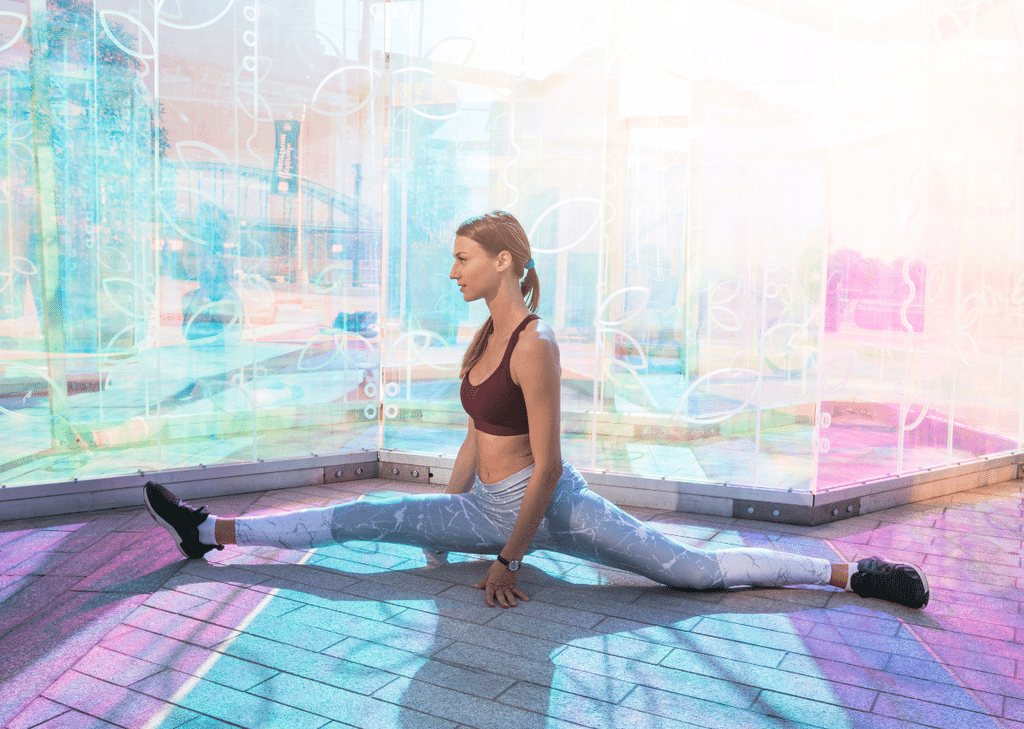
Another important development is the focus on long-term consistency. People are increasingly looking for exercise routines that fit their lifestyles, budgets, and personal interests.Group classes, walking clubs, local sports, and online fitness communities can provide encouragement and accountability. Exercising with others may make training more enjoyable and help people maintain regular participation.
Making Fitness More Sustainable
An effective program does not need expensive equipment or complicated schedules. Walking, home strength workouts, cycling, and recreational sports can all contribute to a more active lifestyle.Choose realistic goals that fit your daily responsibilities. Tracking weekly consistency may be more useful than focusing exclusively on short-term changes in body weight.
The Importance of Community
Supportive fitness communities can help participants share progress, exchange practical advice, and stay motivated. However, avoid comparing your performance with people who have different experience levels, resources, or health needs.Build a routine around activities you enjoy. Sustainable progress usually comes from habits you can maintain over time.
How to Prepare for the Future Fitness Trends 2026
You do not need to adopt every new technology or exercise method to benefit from current fitness developments. The best approach is to identify your goals and choose the tools that support them.Start by assessing your current activity level, available time, budget, and preferred exercise environment. Then build a manageable plan that includes strength training, aerobic activity, recovery, and mobility.
Consider these practical steps:
- Set clear goals: Decide whether you want to improve strength, endurance, mobility, or general health.
- Choose suitable tools: Use a fitness app or wearable only if it provides information you can apply.
- Build consistency: Schedule workouts around your existing responsibilities.
- Monitor progress: Review strength, stamina, energy, and training attendance.
- Adjust gradually: Increase exercise difficulty as your fitness improves.
- Prioritize safety: Learn proper technique and seek professional advice when necessary.
Technology can make exercise more convenient, but your results will still depend on consistent effort, appropriate programming, recovery, and realistic expectations.
Conclusion:
The future fitness trends 2026 reflect a broader shift toward personalized training, wearable technology, strength development, hybrid workouts, recovery, and mental wellness. These innovations can help you understand your performance and create a fitness routine that fits your lifestyle.However, successful fitness does not depend on following every trend. Focus on evidence-informed exercise, consistent habits, balanced nutrition, adequate sleep, and gradual progression. Use technology as a helpful tool rather than allowing it to control every training decision.Whether you exercise at home or in a professional gym, start with small improvements and build from there.
FAQs: The Future Fitness Trends 2026
1. What are the biggest fitness trends in 2026?
Major fitness trends include AI-assisted training, wearable technology, strength training, hybrid workouts, recovery-focused programming, mind-body exercise, and functional fitness.
2. How is AI changing the fitness industry?
AI tools can analyze exercise data, suggest personalized workout plans, track progress, and provide basic technique feedback. Their recommendations should be evaluated carefully because they are not always accurate.
3. Are wearable fitness devices worth buying in 2026?
Wearables can be useful for tracking activity, heart rate, sleep patterns, and training consistency. Whether a device is worth buying depends on your goals, budget, and how effectively you use its information.
4. Is strength training still important in 2026?
Yes. Strength training supports muscular fitness, everyday movement, and healthy aging. Most adults should aim to include muscle-strengthening activities at least twice a week, adjusted to their abilities and circumstances.
5. How can beginners follow the future fitness trends in 2026?
Beginners can start with walking, basic strength exercises, mobility work, and a consistent weekly schedule. Add technology or online coaching when useful, learn proper technique, and increase training demands gradually.