

Table of Contents
Introduction:
Modern life often rewards you for having more, doing more, and constantly chasing something new. But what’s yours lifestyle as a minimalist can look very different. Minimalism is not simply about owning fewer possessions. It is a practical lifestyle approach that helps you reduce unnecessary physical and mental clutter while giving more attention to what genuinely matters. Attention: A crowded home, busy schedule, and endless digital notifications can quietly consume your energy. Interest: Minimalist living helps you examine what adds value and what creates unnecessary complexity.
What Is a Minimalist Lifestyle?
A Lifestyle as a Minimalist focuses on intentional living rather than simply reducing the number of things you own. You identify what is useful, meaningful, or valuable and remove what continuously creates unnecessary stress.Minimalism can apply to many areas of life. Your home, wardrobe, finances, digital environment, relationships, and daily schedule can all benefit from a more intentional approach.The goal is not to create an empty house or follow strict rules. Instead, minimalist living encourages you to make conscious decisions about where you spend your money, energy, time, and attention.
Minimalism Is About Value, Not Deprivation
Many people believe Lifestyle as a Minimalist means giving away everything they own. That is not necessarily true. A minimalist can own expensive equipment, books, technology, furniture, or hobbies.The important question is whether those things serve a genuine purpose. If something improves your life or supports your priorities, keeping it can be completely consistent with minimalism.
Ask Yourself These Questions
Before buying or keeping something, consider:

- Do I actually use this?
- Does it solve a real problem?
- Does it support my goals?
- Would I buy it again today?
- Am I keeping it because of usefulness or guilt?
These questions help you distinguish between intentional possessions and unnecessary accumulation.
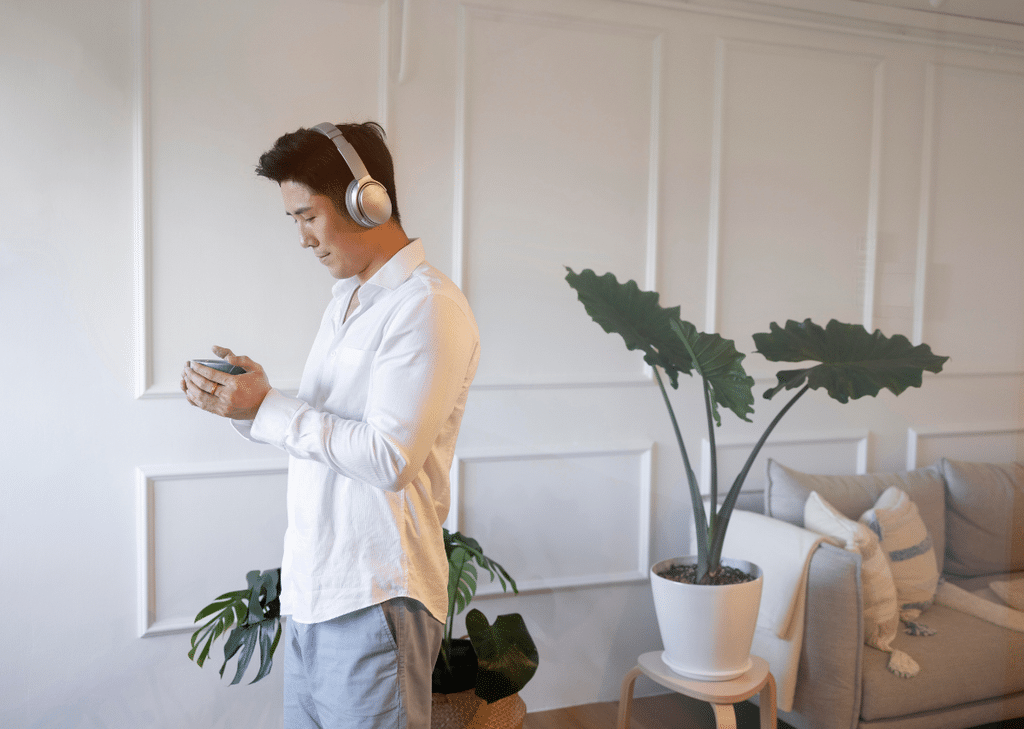
What’s Yours Lifestyle as a Minimalist?
Your Lifestyle as a Minimalist should reflect your personal needs rather than someone else’s version of minimalism. What’s yours lifestyle as a minimalist depends on your priorities, income, family situation, work, hobbies, and personal values.For example, one person may prefer a minimalist wardrobe, while another may focus mainly on reducing digital distractions. Someone with children may use different minimalist strategies than someone living alone.The best approach is flexible. You can simplify one part of your lifestyle without changing everything at once. This makes minimalism easier to maintain over time.
Create Your Own Minimalist Priorities
Start by identifying the areas that currently create the most clutter or stress. You might discover that your biggest problem is not physical possessions but an overloaded schedule.Write down three to five priorities that matter most to you. These might include health, family, financial stability, career development, creativity, travel, or personal growth.Then evaluate your lifestyle around those priorities. If an activity or possession consistently takes resources away from what matters most, consider changing it.
How to Start Minimalist Living
You do not need to completely transform your home or lifestyle in one weekend. A gradual approach is often more practical and sustainable.Start with one small area. Your desk, wardrobe, kitchen cabinet, phone, or email inbox can provide an easy starting point.Remove obvious duplicates and items you no longer use. Then create a simple system for deciding what stays, what goes, and what needs further consideration.
Declutter Your Home
Physical clutter can make your environment feel visually and mentally overwhelming. A simple decluttering process can help you regain control.Work through one category at a time instead of emptying your entire house. For example, begin with clothing and then move to books, kitchen equipment, paperwork, and miscellaneous items.
Use categories such as:
- Keep
- Donate
- Sell
- Recycle
- Discard
- Review later
This approach prevents emotional decisions from slowing down the entire process.

Build a Minimalist Wardrobe
A Lifestyle as a Minimalist wardrobe focuses on versatility rather than having a large number of clothes. Choose pieces that fit properly, work with your lifestyle, and can be combined easily.Neutral colors can make outfit planning easier, but you do not have to avoid bright colors or personal styles. Minimalism should support your identity rather than remove it.Before purchasing new clothing, check whether you already own something that performs the same function. This simple habit can reduce impulse purchases and unnecessary spending.
Minimalism and Financial Wellness
Lifestyle as a Minimalist living can also influence how you manage money. When you reduce unnecessary purchases, you can potentially redirect money toward important financial goals.Instead of automatically buying something because it is discounted or trending, consider its long-term value. A low price does not make an unnecessary product a good purchase.Create a simple spending system that separates essential expenses, savings, investments, and discretionary spending. This gives your money a clear purpose.
Avoid Lifestyle Inflation
Lifestyle as a Minimalist inflation occurs when spending increases as your income increases. Minimalism encourages you to consider whether additional spending actually improves your quality of life.You can increase your savings rate instead of automatically upgrading everything. This may provide greater financial flexibility and reduce dependence on constant income growth.
Minimalist Digital Lifestyle
Lifestyle as a Minimalist is not limited to physical spaces. Your smartphone, social media accounts, applications, emails, and digital files can also become sources of clutter.Review the applications installed on your devices. Delete those you rarely use or that repeatedly distract you.You can also reduce unnecessary notifications and organize important files into clearly labeled folders. A cleaner digital environment makes it easier to focus.
Reduce Digital Distractions
Try creating specific periods without social media or unnecessary notifications. Keep your phone away when working, studying, eating, or spending quality time with others.You do not need to eliminate technology. Instead, use technology intentionally.
Minimalism and Mental Well-Being
A simpler environment can support better focus, but Lifestyle as a Minimalist should not be presented as a universal solution for mental health problems. Its value often comes from reducing unnecessary demands and creating more intentional routines.When your schedule contains fewer unnecessary commitments, you may have more space for rest, exercise, hobbies, and meaningful relationships.Minimalism can also encourage you to question automatic behaviors. Instead of saying yes to everything, you can decide whether an activity actually fits your current priorities.
Protect Your Time
Time is one of the most valuable resources you have because you cannot recover it once it is spent.Review your weekly schedule and identify activities that provide little value. Reduce unnecessary meetings, repetitive tasks, excessive scrolling, or commitments you accepted without considering your capacity.A minimalist schedule does not have to be empty. It should contain enough space for the activities that matter most.

Common Minimalist Mistakes to Avoid
Minimalism becomes less useful when it turns into another source of pressure. Avoid comparing your lifestyle with minimalist influencers or social media trends.You also do not need to throw away useful possessions simply to meet an arbitrary number of items.
Common mistakes include:
- Decluttering too aggressively
- Buying expensive “minimalist” products
- Following someone else’s lifestyle exactly
- Confusing minimalism with deprivation
- Ignoring personal and family needs
- Replacing physical clutter with digital clutter
The most sustainable minimalist lifestyle is practical, personal, and flexible.
Conclusion:
What’s yours lifestyle as a minimalist should ultimately be defined by your values and priorities. Lifestyle as a Minimalist is not about owning the fewest possessions. It is about making thoughtful decisions about what deserves your space, money, time, and attention.Start small. Declutter one area, review your spending, simplify your schedule, and reduce unnecessary digital distractions. Over time, these small changes can create a more organized and intentional lifestyle.The goal is simple: keep what adds genuine value and remove what unnecessarily consumes your resources. Your version of minimalism should make everyday life clearer, more manageable, and more meaningful.
FAQs: What’s Yours Lifestyle as a Minimalist
1. What’s yours lifestyle as a minimalist mean?
It means creating a Lifestyle as a Minimalist based on your own values, needs, priorities, and circumstances rather than following strict rules about how many possessions you should own.
2. How do I start living a minimalist lifestyle?
Start with one small area, such as your wardrobe, desk, kitchen, or phone. Remove items and activities that no longer provide meaningful value.
3. Does minimalist living mean owning very few things?
No. Minimalism is about intentional ownership rather than a specific number of possessions. You can own many things if they are useful, meaningful, or necessary for your lifestyle.
4. Can minimalism help reduce unnecessary spending?
Yes. By questioning impulse purchases and focusing on value, minimalist habits can help you avoid unnecessary expenses and direct more money toward important financial goals.
5. Is minimalism suitable for everyone?
Minimalism can be adapted to different lifestyles. Families, professionals, students, and individuals can all apply minimalist principles according to their own circumstances and priorities.