

Table of Contents
Introduction:
Everyday life creates waste through food packaging, shopping bags, disposable products, clothing, electronics, and household items. A Zero Waste Lifestyle offers a practical approach to reducing that waste while making more thoughtful choices. Instead of treating sustainability as an all-or-nothing goal, you can focus on preventing unnecessary waste and keeping useful materials in circulation for longer. This lifestyle encourages you to rethink how you buy, use, repair, reuse, and dispose of products. It can also help you become more conscious of consumption and household spending. You do not need to replace everything in your home with expensive eco-friendly products.
What Is a Zero Waste Lifestyle?
A Zero Waste Lifestyle is an approach to daily living that aims to minimize the amount of waste sent to landfills or incineration. It focuses on preventing waste before it is created rather than relying only on recycling.The concept is closely connected with the waste hierarchy. This approach generally prioritizes prevention and reduction before reuse, recycling, recovery, and disposal.Living this way does not mean producing literally zero waste. For most households, completely eliminating waste is difficult. The practical goal is to reduce unnecessary consumption and make better use of resources.
The Main Principles
You can organize a zero-waste routine around several simple principles:
- Refuse unnecessary items and single-use products.
- Reduce purchases and consumption.
- Reuse products whenever practical.
- Repair damaged items instead of replacing them.
- Recycle suitable materials through local systems.
- Compost appropriate organic waste.
These principles help you focus on prevention first. Recycling remains useful, but reducing waste at the source can avoid the need for processing in the first place.

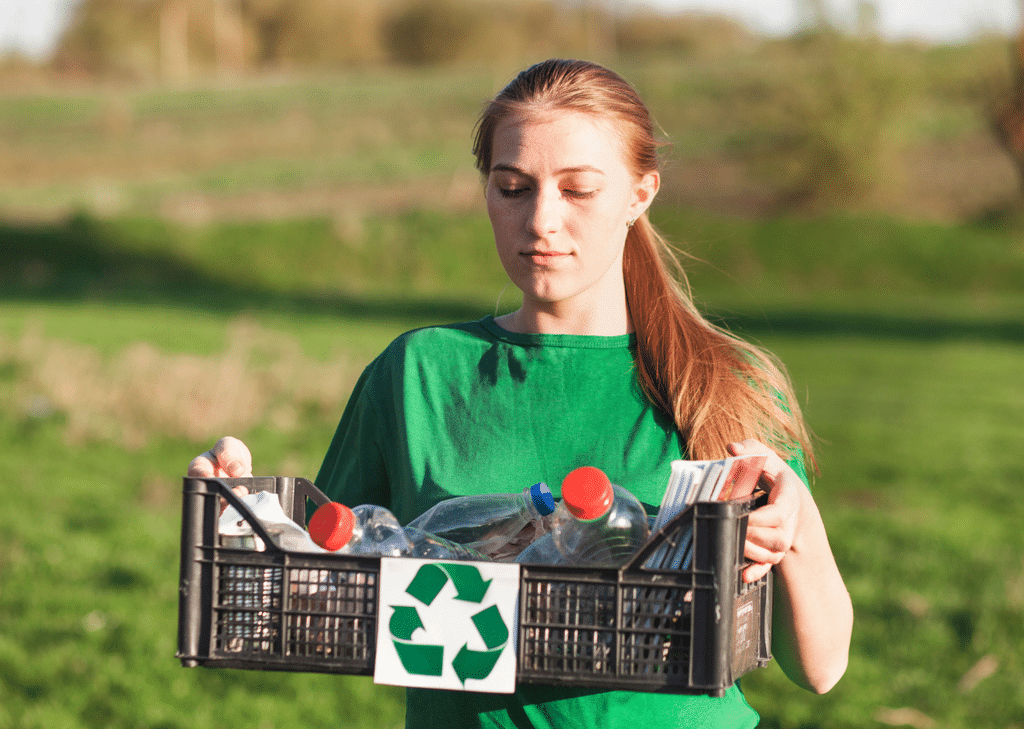
How to Start a Zero Waste Lifestyle
Starting a Zero Waste Lifestyle does not require a complete household transformation. Begin by observing the waste your home produces during a normal week.Look inside your kitchen, bathroom, workspace, and shopping habits. Identify products that you repeatedly throw away. This simple waste audit can show you where small changes may have the greatest effect.Choose two or three areas to improve first. For example, you might reduce disposable food packaging, switch to reusable shopping bags, or plan meals more carefully.
Reduce Single-Use Products
Zero Waste Lifestyle Single-use products can create unnecessary waste because they are designed for short-term use. Common examples include disposable bags, cups, plastic cutlery, paper towels, and heavily packaged products.Replace these items gradually with durable alternatives that you already need. A reusable bottle, shopping bag, food container, or cloth towel can reduce repeated purchases.However, avoid buying large quantities of “zero-waste” products simply because they are marketed as sustainable. Using what you already own is often the more practical starting point.
Shop More Thoughtfully
Zero Waste Lifestyle Shopping decisions strongly influence household waste. Before purchasing something, ask whether you genuinely need it and whether you already own something that can perform the same function.When practical, choose durable products, refillable options, concentrated products, or items with minimal packaging. Buying larger quantities can sometimes reduce packaging, but only when you can use the product before it expires.You can also consider secondhand shopping for clothing, furniture, books, and other suitable items. Extending the useful life of existing products can reduce demand for new resources.
Zero Waste Lifestyle in the Kitchen
The kitchen is one of the most useful places to begin waste reduction. Food scraps, packaging, disposable products, and expired ingredients can quickly accumulate.Start by organizing your refrigerator and pantry. Keep older products visible and use them before opening newer items. This simple system can help reduce forgotten food.Meal planning can also make a major difference. Plan meals around ingredients you already have, create realistic shopping lists, and avoid buying more fresh food than your household can consume.
Reduce Food Waste
Food waste represents wasted resources because producing food requires land, water, energy, transportation, and labor.
You can reduce food waste by:
- Planning meals before shopping
- Storing food correctly
- Freezing suitable ingredients
- Using leftovers creatively
- Checking existing supplies before buying more
- Understanding food date labels
Some unavoidable food scraps may also be suitable for composting. Check your local composting options and accepted materials before starting.

Sustainable Clothing and Fashion Choices
Fashion can generate waste through unwanted clothing, short product lifecycles, packaging, and frequent purchasing. A zero-waste approach encourages you to think about clothing as a long-term resource.Instead of constantly following fast-changing trends, build a wardrobe around pieces you will actually wear. Choose versatile clothing that can work across different occasions.Taking care of your clothes can also extend their useful life. Follow care instructions, wash garments appropriately, repair minor damage, and store seasonal clothing correctly.
Choose Quality Over Quantity
Buying fewer durable garments can be more practical than repeatedly replacing inexpensive items. Before purchasing clothing, consider its construction, materials, fit, and expected frequency of use.Secondhand stores and clothing exchanges can provide additional options. You can also donate or resell wearable clothing rather than immediately throwing it away.The goal is not to create a perfect wardrobe. It is to reduce unnecessary consumption while using the clothing you already own effectively.
Zero Waste Personal Care and Household Habits
Bathrooms and cleaning routines can also produce significant amounts of packaging waste. Products such as shampoo, soap, cleaning solutions, tissues, and personal-care containers are common sources.Look for practical ways to reduce packaging without compromising hygiene or convenience. Depending on your needs, refill systems, concentrated products, reusable accessories, and products with durable containers may help.For cleaning, avoid accumulating numerous specialized products when one suitable product can perform several tasks. Always follow manufacturer instructions and never mix household chemicals unless the product instructions specifically allow it.
Reuse and Repair Before Replacing
Before throwing something away, check whether it can be repaired, reused, repurposed, or passed to someone else.A damaged piece of furniture might be repairable. A glass jar can become a storage container. Old fabric can sometimes be used for cleaning.These actions extend product lifecycles and can reduce the number of items entering the waste stream.
Benefits and Challenges of a Zero Waste Lifestyle
A Zero Waste Lifestyle can encourage more intentional consumption. When you pay attention to what you buy and discard, you may become more aware of household spending and resource use.Reducing unnecessary purchases can sometimes lower expenses. Reusing and repairing products can also delay replacement costs.There are challenges, however. Some sustainable alternatives have higher upfront prices, and local recycling or refill infrastructure may be limited. People with different household needs may also face different barriers.
Keep the Approach Realistic
Avoid treating zero waste as a perfection test. A practical lifestyle should work within your budget, location, health needs, household responsibilities, and available infrastructure.Focus on progress rather than perfection. If you cannot eliminate a particular type of waste, look for another realistic way to reduce it.The most sustainable routine is often the one you can maintain consistently.
Technology and the Future of Zero Waste Living
Technology is creating new opportunities for waste reduction. Digital receipts, product-refill systems, resale platforms, smart inventory tools, and food-sharing services can help consumers manage resources more efficiently.Businesses are also developing packaging alternatives, reusable delivery systems, repair services, and circular business models. These systems aim to keep products and materials useful for longer.However, technology alone cannot eliminate waste. Consumer behavior, product design, infrastructure, and responsible business practices all contribute to the effectiveness of waste reduction.
Building a Sustainable Routine
The easiest way to maintain a Zero Waste Lifestyle is to create simple systems rather than relying on motivation.Keep reusable items where you can easily access them. Plan shopping trips. Maintain a food inventory. Set aside items for repair or donation.Over time, these habits can become automatic. Small improvements repeated consistently can create a more sustainable household routine.

Conclusion:
A Zero Waste Lifestyle is about making thoughtful decisions that reduce unnecessary waste and extend the useful life of products and materials. You do not need to achieve perfection or replace everything you own.Start with a waste audit and identify the biggest sources of waste in your routine. Then focus on practical actions such as refusing unnecessary items, reducing consumption, reusing products, repairing belongings, recycling correctly, and composting suitable organic waste.Whether you are changing your shopping habits, reducing food waste, or creating a more sustainable wardrobe, consistency matters more than perfection. By making realistic choices and improving them over time, you can build a lifestyle that uses resources more thoughtfully.
FAQs: Zero Waste Lifestyle
1. What is a Zero Waste Lifestyle?
A Zero Waste Lifestyle is a way of living that focuses on preventing and reducing waste through mindful consumption, reuse, repair, recycling, and composting.
2. How can beginners start a Zero Waste Lifestyle?
Start with a simple household waste audit. Identify common disposable items and unnecessary purchases, then introduce a few manageable changes instead of trying to change everything at once.
3. Is a Zero Waste Lifestyle expensive?
It does not have to be. Reusing items you already own, buying less, repairing products, and shopping secondhand can reduce the need for expensive new purchases.
4. How can I reduce food waste at home?
Plan meals, create shopping lists, store food properly, use leftovers, freeze suitable ingredients, and regularly check your refrigerator and pantry before shopping.
5. Does Zero Waste mean producing absolutely no waste?
Not necessarily. For most people, producing absolutely zero waste is difficult. The practical objective is to reduce unnecessary waste as much as possible and use resources more efficiently.